Article: Decorative Plant Pots: How to Choose the One That Shows Off Your Plant
Decorative Plant Pots: How to Choose the One That Shows Off Your Plant
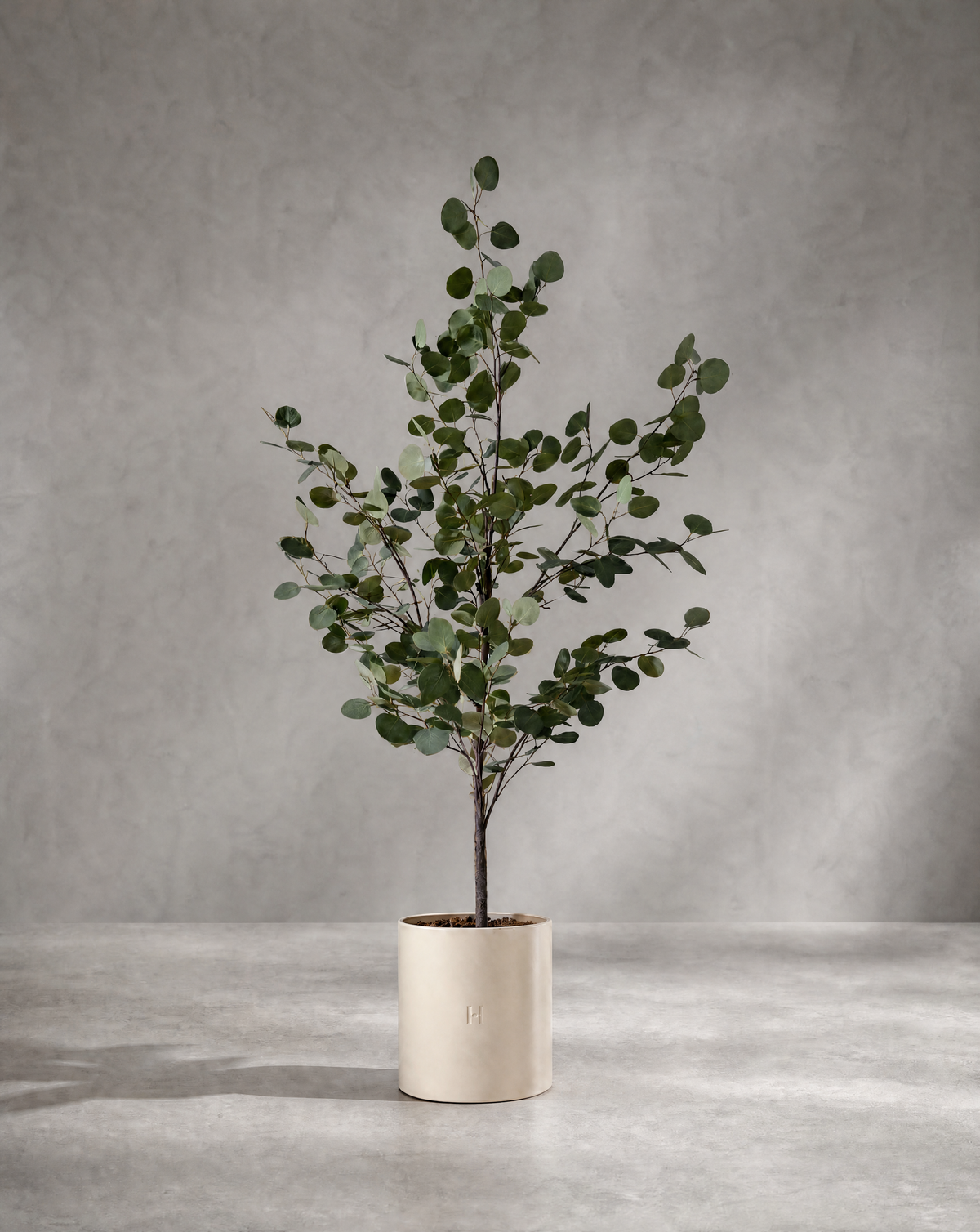
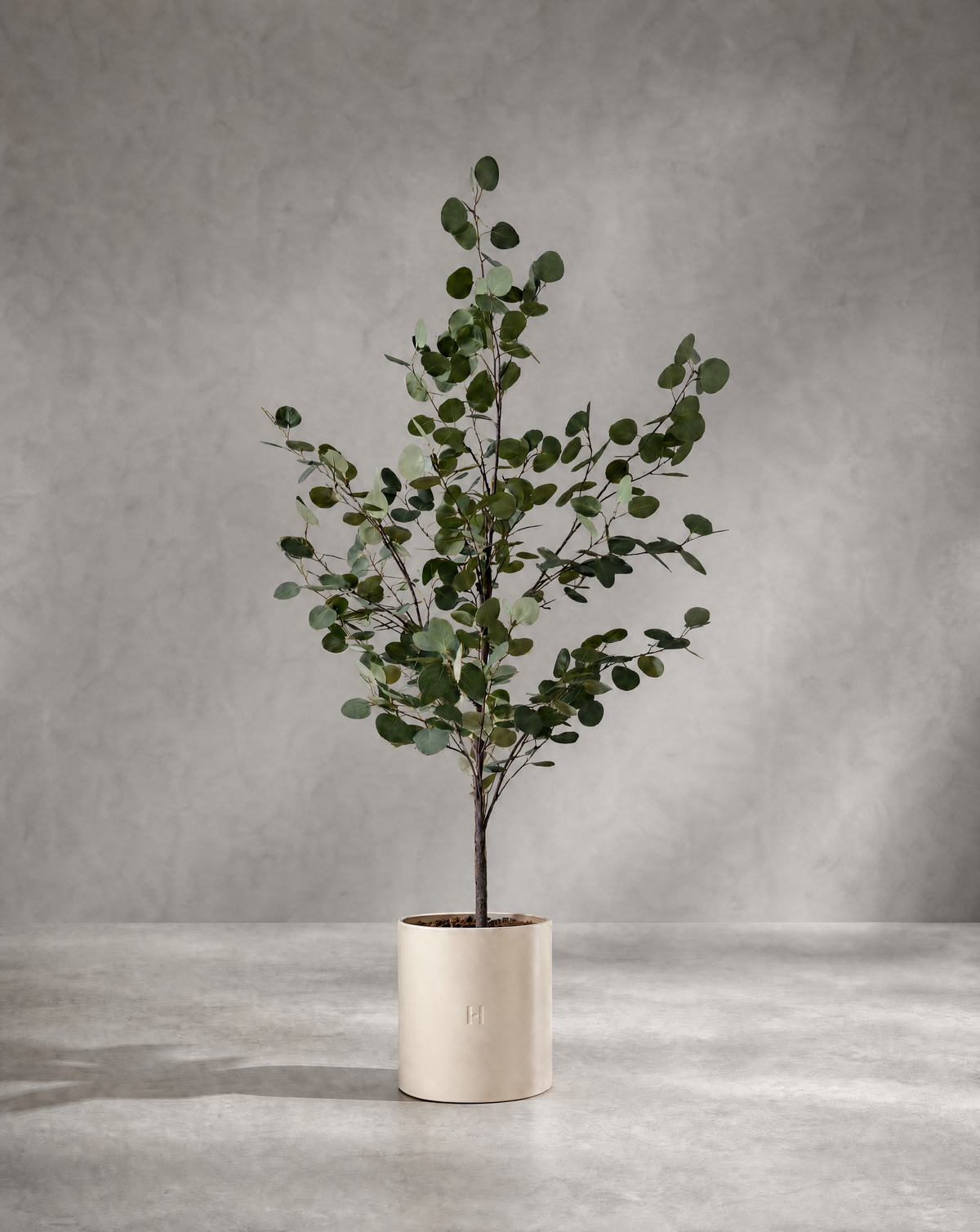
The very same olive tree can look unremarkable in an ordinary pot, then spectacular the moment it sits in a beautiful container. The planter is no mere detail: it is the base that gives your plant its presence. Here is how to choose decorative plant pots that truly enhance your greenery, without a single false note.
Why the planter changes everything in a room

The planter plays three roles at once. It dresses up the technical pot, often made of plastic and far from attractive. It creates a visual link between the plant and your decor. Finally, it brings height and structure to a corner of the room.
Think of it like the frame of a painting: a well-suited frame enhances the artwork, a poorly chosen one lets it down. With a carefully crafted artificial plant, the effect is even more pronounced, because the eye is not distracted by maintenance or damaged leaves. Your gaze settles directly on the whole, foliage and container together.
A good decorative planter therefore does two things at once: it recedes enough to let the plant speak, and it asserts enough character to structure the space.
The 4 criteria for choosing decorative plant pots well

1. Size, the number one criterion
This is the most common mistake. A planter that is too small visually strangles the plant, while one that is too large overwhelms it. The rule is simple: the inner diameter of the planter should be slightly larger than that of the original pot, by about two to three centimetres, so the pot slides in without forcing.
As for proportions, aim for a planter whose height is roughly a third of the plant's total height for slender subjects such as an olive tree or a ficus. For a rounder, bushier plant, a lower, wider container balances the silhouette better.
2. Material, according to the mood you want
Material sets the tone. A few useful pointers:
- Matt ceramic or stoneware: warm, timeless, perfect for a natural or contemporary interior.
- Earth fibre or composite: a stone or concrete look, ideal for a pared-back style, with the advantage of being lighter.
- Textured finishes: they catch the light and add depth to a slightly flat corner.
At HOPER, our planters are designed to be both stylish and lightweight, so they are easy to move when you rearrange a room or do the cleaning. You can find them in our collection of decorative plant pots.
3. Colour, to complement rather than compete
The planter's colour should converse with the foliage and with your room. Two approaches work very well.
The first is the neutral-tone route. An ivory planter highlights a plant's green, soothes the whole and fits in everywhere, from a bright living room to a understated office. It is a safe choice that never dates.
The second is the colour echo. An emerald green planter echoes the foliage and creates an elegant depth, perfect if you want a confident splash of colour. Simply avoid multiplying bright tones in the same space: a single container with character is enough to set the rhythm.
4. Shape and height, for balance
A tall, graphic plant appreciates a straight, understated container that extends its verticality. A trailing plant benefits from being placed in a slightly raised planter, so the foliage can cascade freely. Finally, think about the floor: a footed or taller model lifts the plant and lets the composition breathe.
Matching the planter to the plant and the room
The most beautiful planter still disappoints if it is badly placed. Take three seconds to observe where the plant will go. Against a light wall, a dark container stands out and gives structure. Against a dark or colourful wall, a light planter brightens the corner.
Think about overall coherence too. If you have several plants in the same room, a common thread instantly creates a polished impression: the same material in two sizes, or two shades from the same family. This way you create a harmonious collection rather than a mismatched assortment.
One last useful habit: match the planter's style to the room's purpose. A hallway or an office carries a graphic, assertive model very well. A bedroom often prefers soft lines and calming tones. If you are looking for inspiration on the greenery side, browse our selection of realistic artificial plants to imagine the right pairings.
Common mistakes to avoid
- Choosing the planter before the plant: always start from the greenery and its proportions, then find the container that suits it.
- Mixing too many styles: too many different materials and colours tire the eye. Stick to one or two families.
- Forgetting weight and mobility: a planter that is easy to move makes everyday life simpler.
- Overlooking stability: for a large plant, check that the base is wide enough for good support.
FAQ: your questions about decorative plant pots
What size planter should I choose for my plant?
Measure the diameter of the original pot, then add two to three centimetres for the inner diameter of the planter. As for height, a model equal to about a third of the total height suits slender plants, while a lower container balances round, bushy plants.
Should I go for a light or a coloured planter?
A neutral tone such as ivory fits in everywhere and makes the foliage stand out: it is the most versatile choice. A shade like emerald green brings character and a lovely sense of depth. Ideally, keep a single strong note per space to preserve harmony.
Are decorative plant pots also suitable for artificial plants?
Yes, and this is precisely where they reveal their full potential. Since a quality artificial plant always stays immaculate, the planter becomes a genuine decorative element in its own right. Foliage and container work together over time, with no maintenance at all.
In summary
A well-chosen planter rests on four simple points: the right size, a material in keeping with your style, a colour that complements the foliage, and a shape that balances the silhouette. With these pointers, you turn an ordinary plant into a true decorative piece.
HOPER is currently available for pre-order, with shipping expected during October 2026. Take the time to compose the ideal pairing by discovering our decorative plant pots and our real-touch plants: your future green corner is only waiting for you.